Upright microscopy
AmScope T670
An upright microscope complements the inverted imaging platform and supports routine microscopy, sample inspection, and experimental development.
Facilities & Instrumentation
The Durantini Lab combines fluorescence microscopy, photochemistry, microbiology, spectroscopy, and additive manufacturing to study reactive oxygen species and develop light-activated antimicrobial strategies.
Imaging
Microscopy is central to the lab's work on bacterial heterogeneity, membrane permeabilization, oxidative stress, and spatially resolved photochemical processes.
Primary imaging platform
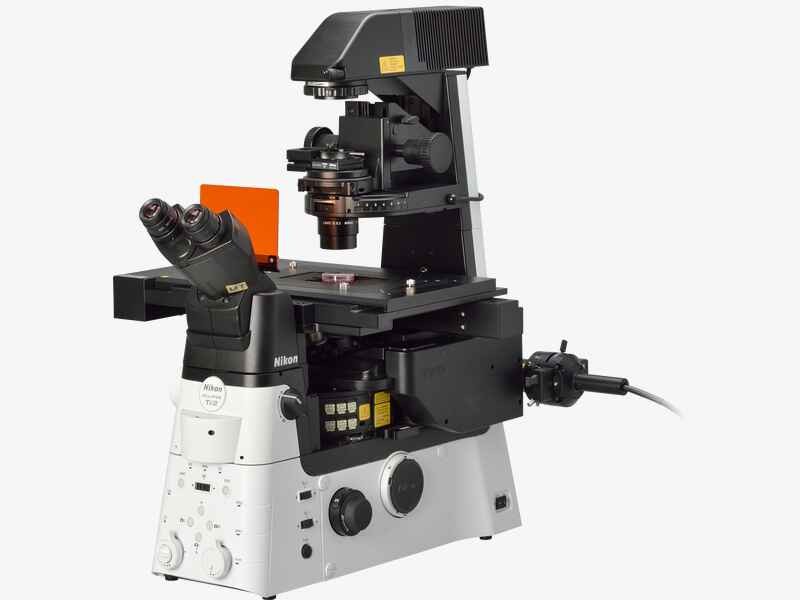
The Ti2 platform supports fluorescence imaging of living and fixed samples and is used extensively for single-cell studies of bacterial responses to oxidative and photodynamic stress.
AmScope T670
An upright microscope complements the inverted imaging platform and supports routine microscopy, sample inspection, and experimental development.
Single-cell and field-level measurements
Imaging experiments are paired with quantitative analysis of fluorescence intensity, cell populations, membrane permeability, spatial profiles, and time-dependent responses.
Lumencor SPECTRA X Light Engine
Multi-channel solid-state excitation source used with the Nikon Ti2 for controlled fluorescence excitation across multiple spectral bands.
Plate-Based Measurements
Optical measurements complement microscopy by enabling absorbance, fluorescence, luminescence, spectral, and kinetic analysis across cuvette- and microplate-based experiments.
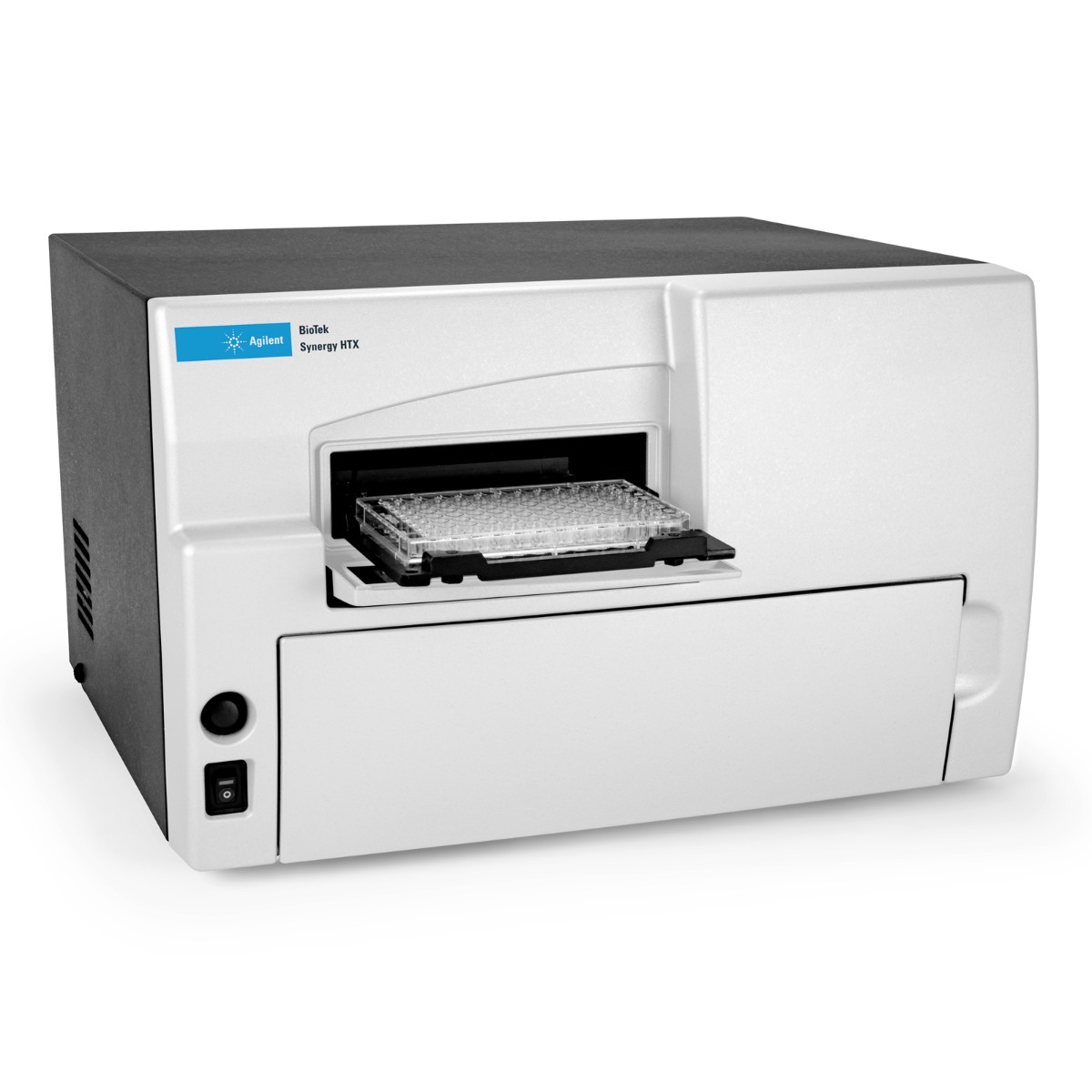
BioTek Synergy HTX
Used for absorbance, fluorescence, and luminescence measurements in microplates, supporting growth curves, fluorescence-based assays, kinetic measurements, and quantitative biochemical experiments.
Vernier Go Direct Fluorescence/UV-VIS Spectrophotometer
Used for absorbance and fluorescence spectroscopy, full-spectrum measurements, Beer’s law experiments, kinetics, and optical characterization of photosensitizers and related samples.
Materials & Fabrication
The lab develops polymeric systems that incorporate photosensitizers and other functional components into printable or surface-active materials.
Prusa i3 MK3S
Used to fabricate experimental platforms, antimicrobial test objects, holders, educational models, and custom laboratory components.
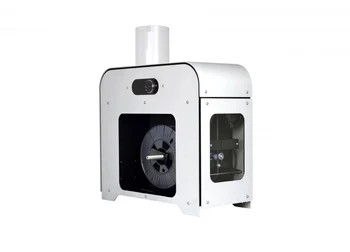
3devo Composer 350
Enables preparation of custom polymer filaments containing photosensitizers and other additives prior to 3D printing.
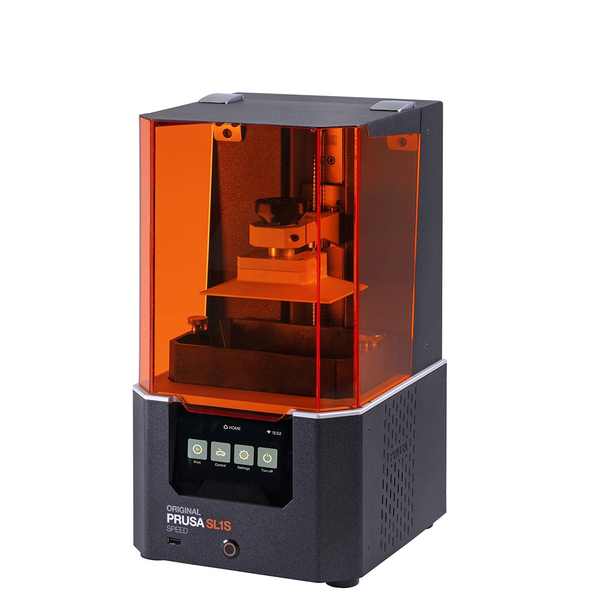
Prusa SL1S
High-resolution resin printing supports detailed model fabrication and small, geometrically complex components.
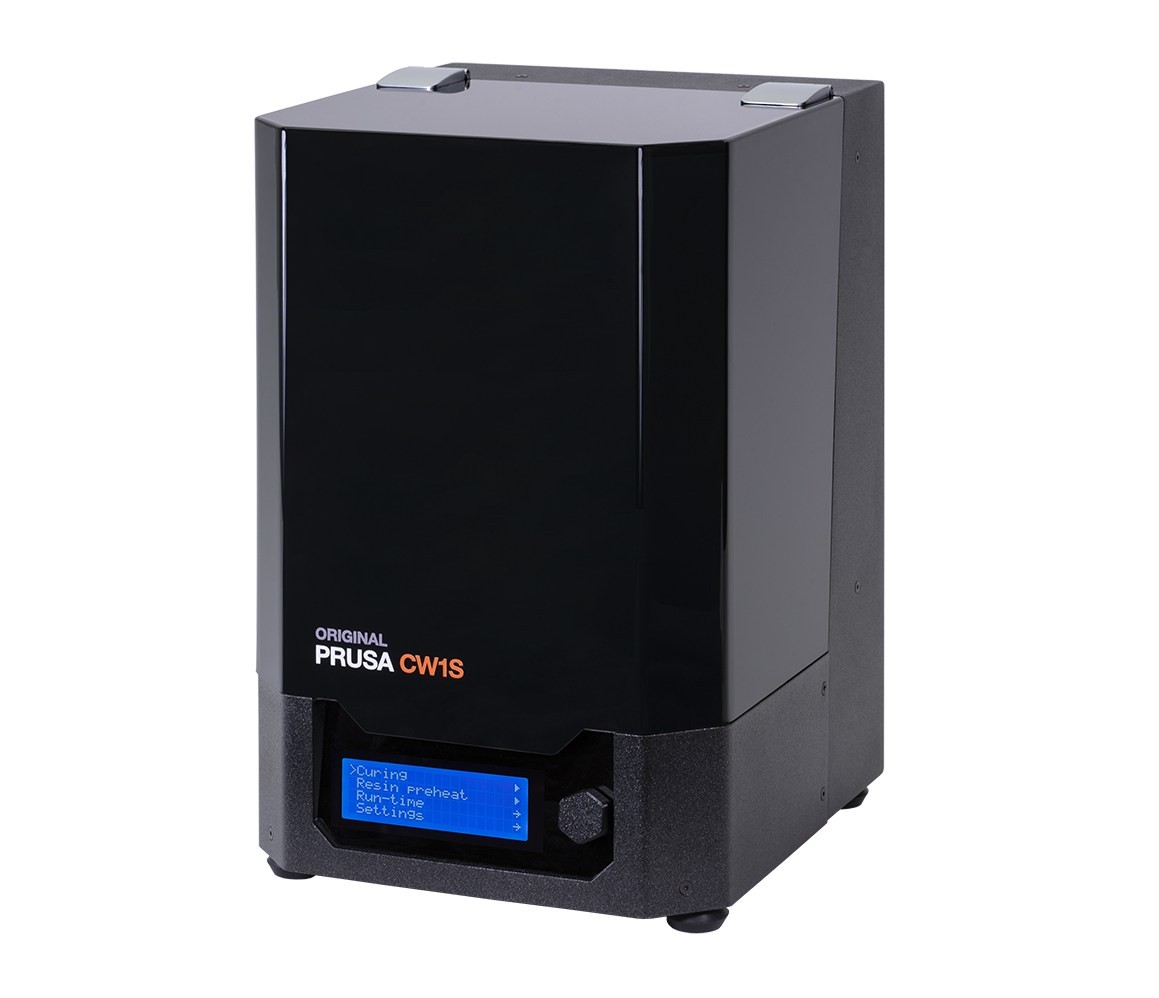
Prusa CW1S
Post-processing of resin-printed parts provides reproducible washing and controlled curing before use in research or teaching applications.
Laurell WS-650 Series
Used to prepare reproducible thin coatings on coverslips and other substrates for fluorescence, photochemistry, and surface-based experiments.
Microbiology & Biosafety
Contained microbiological work is supported by a Class II, Type A2 biosafety cabinet for aseptic manipulation of bacterial cultures and other biological samples.
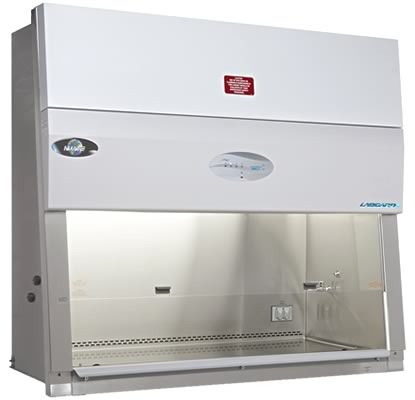
NuAire LabGard Class II, Type A2
Provides HEPA-filtered containment for microbiological procedures while protecting personnel, samples, and the surrounding laboratory environment.
Integrated Workflow
Many Durantini Lab projects move through a connected experimental workflow rather than relying on a single instrument or technique.
Photosensitizers, polymer formulations, microbial samples, and functional surfaces are prepared for testing.
Samples are irradiated under controlled conditions to generate reactive oxygen species and initiate photochemical processes.
Fluorescence, optical changes, microbial viability, and related biochemical responses are quantified.
Microscopy resolves cell-to-cell variability and spatially localized responses that are hidden in bulk measurements.
Research Environment
The lab combines dedicated instrumentation with shared research resources at Southern Illinois University Edwardsville to support interdisciplinary projects in chemistry, biology, and materials science.
Laboratory space supports bacterial culture, antimicrobial testing, staining, buffer preparation, sample processing, and biochemical assays.
Absorbance, fluorescence, and related optical measurements complement microscopy and photochemical experiments.
Projects routinely integrate chemistry, microbiology, imaging, engineering, and materials fabrication through collaborations within and beyond SIUE.