


Fellows
Expansion Fellows
CODES Expansion Fellows were chosen through a competitive process to participate in a learning community about the foundations of the CODES program. With Mellon funding, they are developing plan to implement parts of the program in their own institutional context. They work at regional comprehensive colleges and universities across the nation, including Florida Gulf Coast University, Grambling State University, Metro State University, and Southeast Missouri State University.
Rachel Childers
Rachel Childers is an advisor and instructor for the Honors Program at Southeastern Oklahoma State University. Their teaching interests include incorporating local history and service learning into freshmen level orientation coursework and utilizing City as Text methodologies to explore how national trends impact local communities. Their research interests include Oklahoma history and the role of local authors in preserving memory and place.
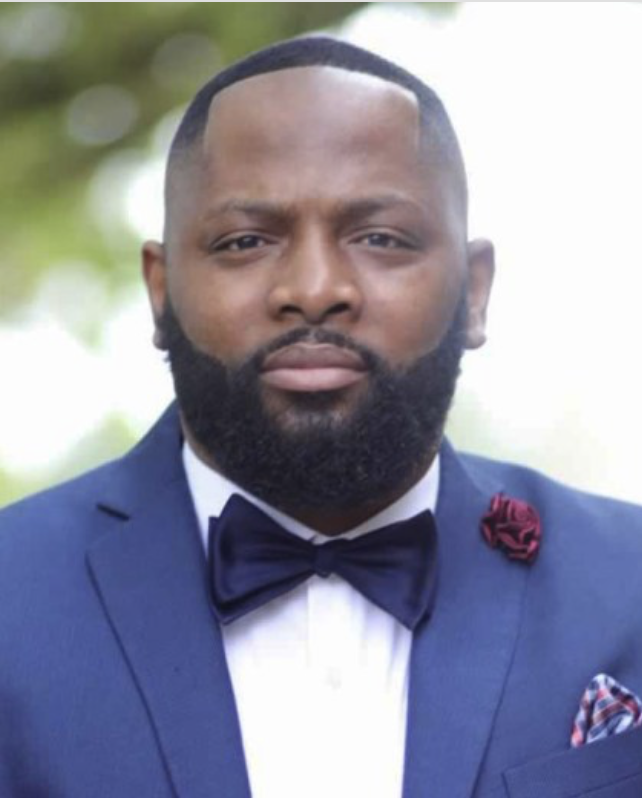
Dr. Prince Duren
Dr. Prince Duren is currently an Assistant Professor of Theatre at Grambling State University. He is from the great city of Itta Bena, MS by way of Muskegon MI. Prince is a graduate of Jackson State University with a degree in Mass Communications and English. After graduating from JSU, Prince pursued his MFA in Play and Screenwriting at the University of Arkansas. In the Spring of 2023, he received his Ph.D. in Urban Higher Education Administration. Prince has written several stage plays with many receiving local and national recognition. Even though he enjoys acting, Prince garnered his most notable success as a playwright. Among his awards are the Lorraine Hansberry award from The Kennedy Center for American College Theatre Festival, Mississippi Theatre Association Award, and Stage Black One Act Festival Award, among many others. When he's not writing, Prince has appeared in several plays including, Stick Fly, A Time to Kill, Sweat, Joe Turner's Come and Gone, The Drums of Sweetwater just to name a few. When it comes to the arts, Prince feels he has yet to construct his greatest dialogue, create his most memorable character, or conceive his greatest play. Therefore, he is always working towards that ultimate goal. Prince is a 2025 recipient of the Mellon Foundation Race and Social Transformation fellowship grant. Prince lives by the saying “In a world where you can be anything, why not be yourself?”
Carolina Fernandez Branson
Carolina Fernandez Branson is an Associate Professor in the Department of Professional Communication at Metro State University. Her research explores how communication can be used to alleviate health disparities, with a special focus on the Latino community. She has received several grants to fund her work, including a $2,000 grant from the Institute on Community Engaged Scholarship and Research (ICES) at Metro State and a $600,000 grant over four years with her community partner, HACER, from the Minnesota Department of Health, to study how communication can alleviate cultural stressors within immigrant Latino families to improve youth mental health and well-being. She is also the PI on a $25,000 grant from the University of Minnesota C2DREAM program which explores improving provider communication with diabetic Spanish-speaking patients who need a translator. In addition to her research, Dr. Fernandez Branson teaches courses in Health Communication and Communication for Health Equity at Metro State.
Edward L. Holt
Edward L Holt is an Associate Professor of History and holds the Benjamin A. Quarles Endowed Professorship at Grambling State University. He currently serves as the Department Head of History, whose department received the AHA Equity award in 2024. As a recipient of over $800,000 in institutional grants, he has experience administering large-scale project initiatives. He is a historian of the pre-modern Mediterranean, whose peer-reviewed articles on medieval Iberian liturgy, leadership, crusade, and geospatial analyses of power have received several national awards. He is also the PI of the "Voices of Grambling," a multi-phase digital and public humanities initiative whose mission is to record and interpret the African American experience in Northern Louisiana. An advocate for experiential learning, he collaborates with students throughout the university on his various projects and has worked with QA Commons to be the only department in the state of Louisiana certified for its embedded essential employability qualities. He previously served as the chair of GSU’s University Curriculum Committee.
Kyle C. Lincoln
Kyle C. Lincoln is Associate Professor of Pre-Modern European History and Interdisciplinary Humanities and Founding Director of the Office of Study Abroad at Southeastern Oklahoma State University. His most recent research book is A Constellation of Authority: Castilian Bishops and the Secular Church during the Reign of Alfonso VIII with Penn State University Press. He co-authored, with John Giebfried, Remaking the Medieval World: 1204, the Fourth Crusade and is actively (co-)developing classroom simulations on Bronze Age Greece (with Mary Beth Arendash), the Investiture Controversy (with Matt Parker and Andrew Larsen) and (as sole author) the Conquest of Granada in 1492.
 Ailesha Ringer
 is an Associate Professor in the Department of Professional Communication at Metropolitan State University in St. Paul, Minnesota. She teaches environmental, intercultural, interpersonal, and technical communication, with a particular interest in experiential, place-based, and community-engaged learning. She uses experiential and place-based approaches to help students see communication as something they can use to understand and participate in their communities, rather than simply something they study in the classroom. Her courses connect students with real-world issues, community contexts, and audiences beyond the classroom. Ailesha's research focuses on ecocultural environmental communication, particularly how people, environments, and technologies shape everyday discourse within systems of power. She also works as a consultant in international social and behavioral change communication, applying communication research and practice to real-world public health and social change initiatives in collaboration with organizations including UNICEF. Her teaching, research, and professional work all center on connecting communication to the communities and contexts in which it matters.
Angel Taylor
Angel Taylor is a Composition Instructor III at Florida Gulf Coast University, where she teaches Composition I and II, Introduction to Literature, and Creative Writing. With over a decade of experience in higher education, she teaches with an emphasis on critical thinking, collaborative learning, and student-centered pedagogy across traditional, hybrid, and virtual formats. Her courses often explore themes of identity, voice, and contemporary literature, particularly women’s writing. Ms. Taylor is actively engaged in professional development and pedagogical innovation, including work with AI in the classroom and participation in faculty learning initiatives. She has presented at regional and national conferences, including the College English Association and the Florida College English Association. Her service includes mentoring new faculty and contributing to institutional committees focused on curriculum development and student success.

Kristine Washko
Kristine Washko is a College Composition and Creative Writing instructor at Florida Gulf Coast University, where she has taught for over 15 years. She is passionate about helping students develop confidence, voice, and critical thinking through engaging, real-world writing experiences. Kristine is currently pursuing her Doctorate in Education, where her research focuses on Sentipensante pedagogy, belonging, and student success in first-year composition. She actively participates in UDL initiatives, serves as an Honors College thesis advisor, and supports student engagement through innovative classroom practices. Kristine is committed to creating supportive, inclusive learning environments that emphasize both academic rigor and human connection. Her headshot includes her golden retriever service dog, Cali, who joins her classes and has become a friendly and familiar presence for students.
SIUE CODES Fellows
Every year, the CODES program selects a group of faculty to participate in a learning community to discuss cultural responsive curricula, community-engaged teaching, student-centered classroom practices, digital tools, and the ins-and-outs of teaching in CODES. The fellows usually go on to teach a research team, but they also take what they learn back to courses in their home departments at SIUE.
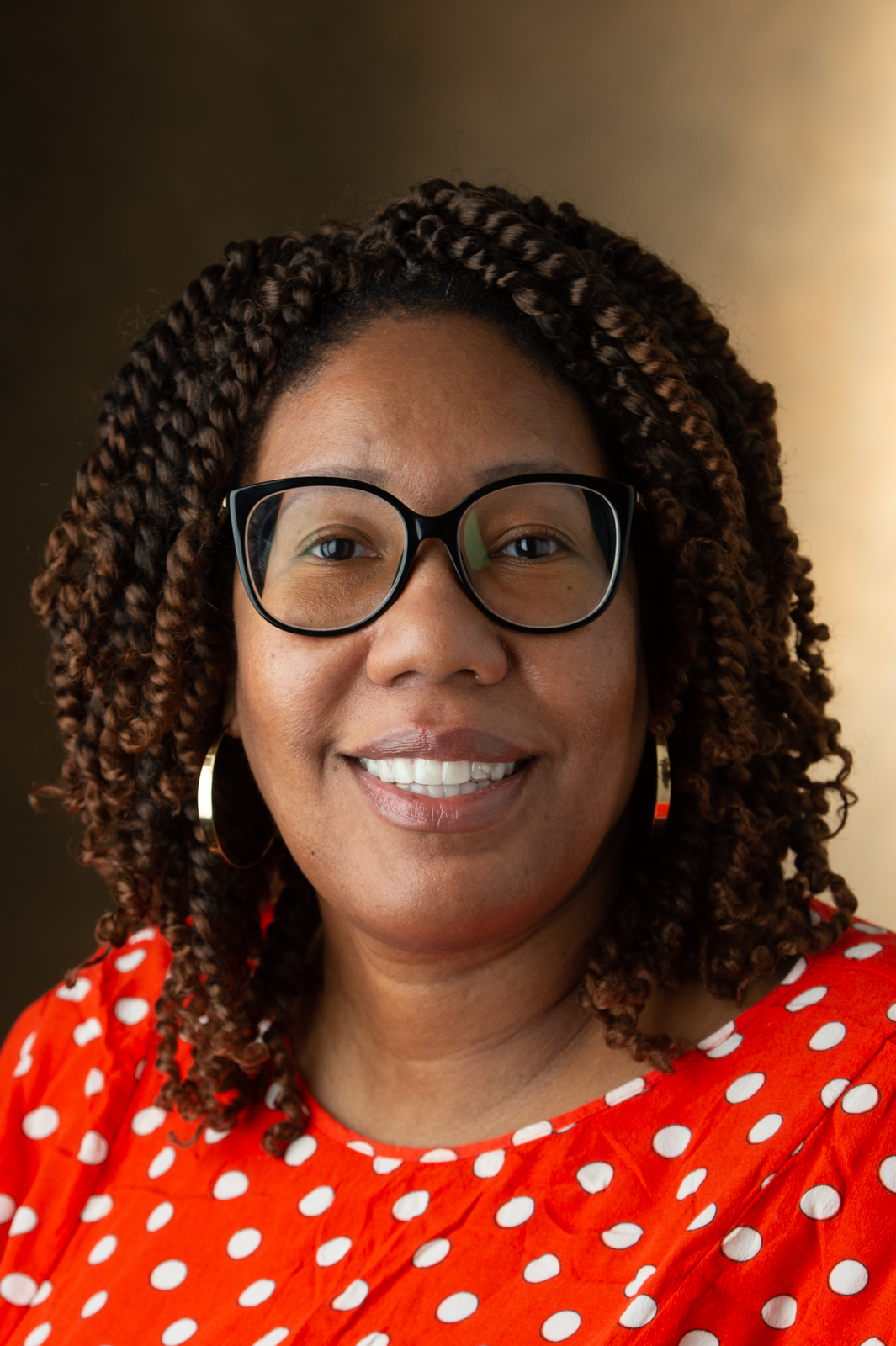
Simone Williams
Simone Williams, MLIS, is an Associate Professor and the Diversity and Engagement Librarian at Lovejoy Library. Before her position at SIUE, she spent several years working at cultural institutions in the St. Louis metropolitan region in numerous positions. Additionally, she has an extensive history of working with students from historically underrepresented backgrounds, especially those from low-income, black, LGBTQIA+, and immigrant communities. Her research interests are Cultural Informatics and Heritage, Digital Humanities, Digital Libraries, Diversity and Social Justice, Information Access, Information Literacy, Social Media, Artificial Intelligence and Machine Learning, Community Informatics.
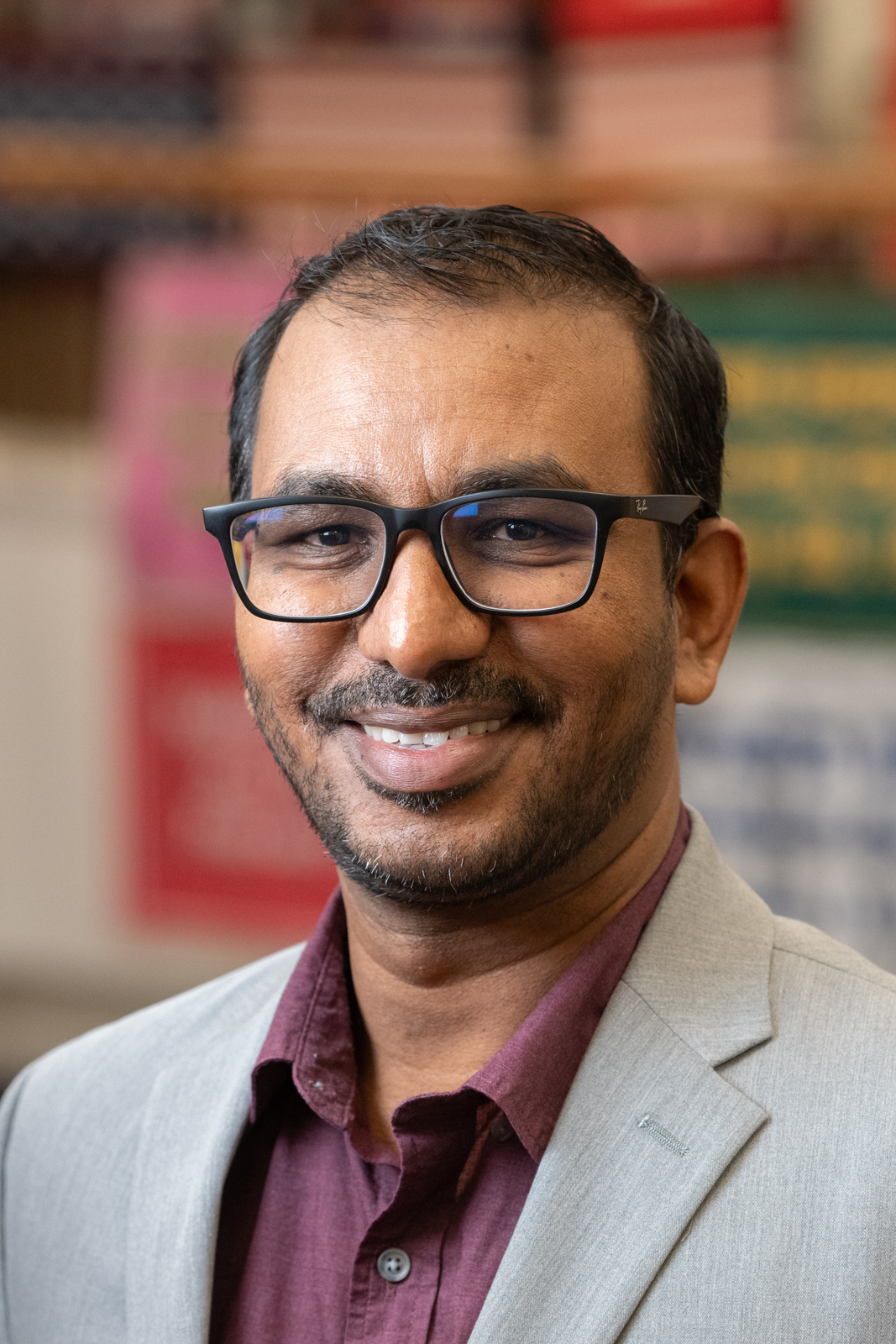
Sanoar Rahman
Sanoar Rahman, PhD, is an Assistant Professor in Environmental Sciences and the Geography & GIS Departments. His work is all about water—how it changes over time and across landscapes, and how people and the environment can affect it. These days, he is especially interested in how changes in land use, like development or agriculture, can affect the water quality of our rivers and lakes.
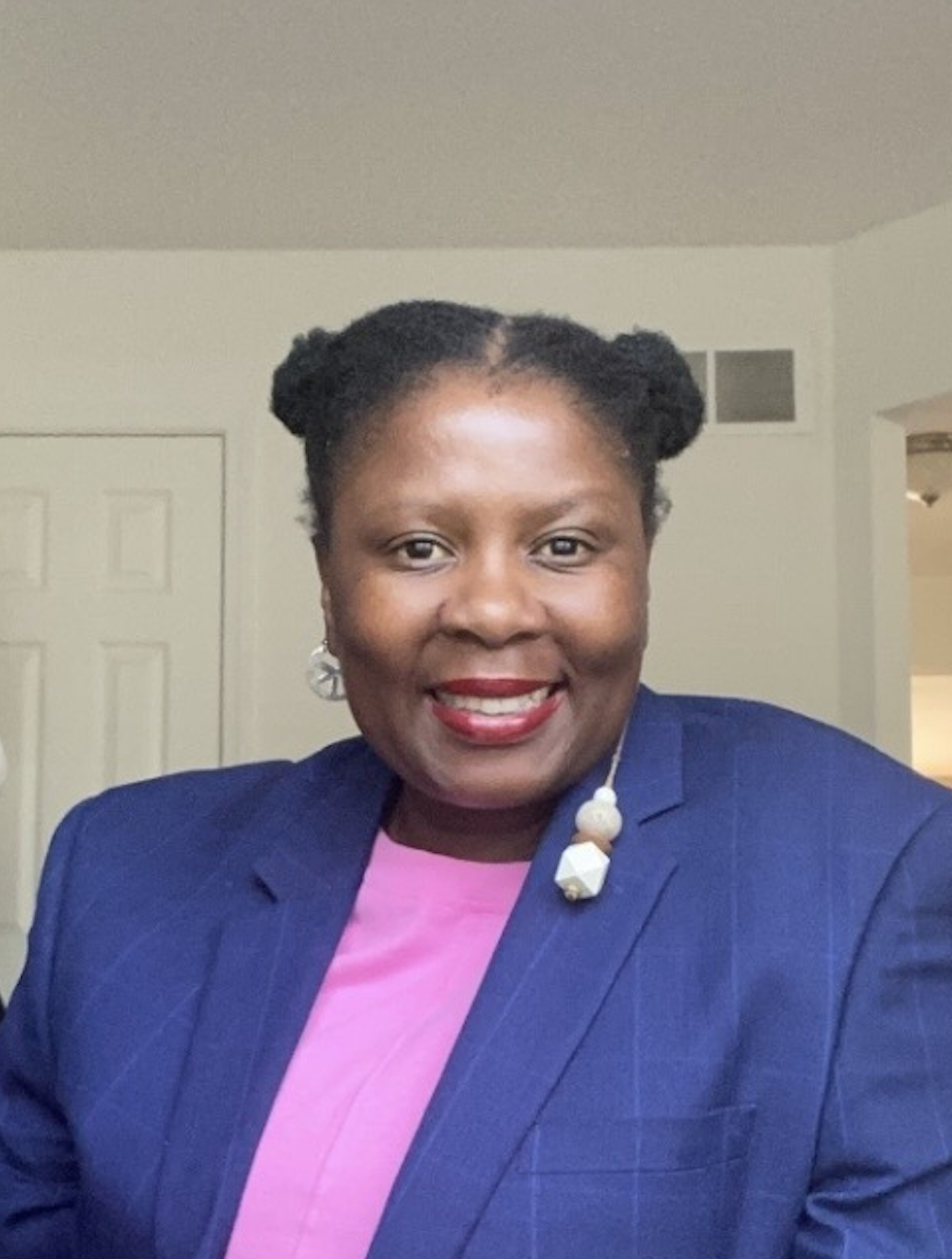
Lindani Memani
Lindani Memani, PhD, eats marvelous foods and writes fiction. With her degrees in media studies, creative writing, English literature, special education, and mass communication and media arts, Lindani researches and writes about marginalized communities. She is a CODES Fellow and teaches writing, digital storytelling, and research.


