


Behind the Tap: Illinois Legislators Tour SIUE’s Environmental Resources Training Center
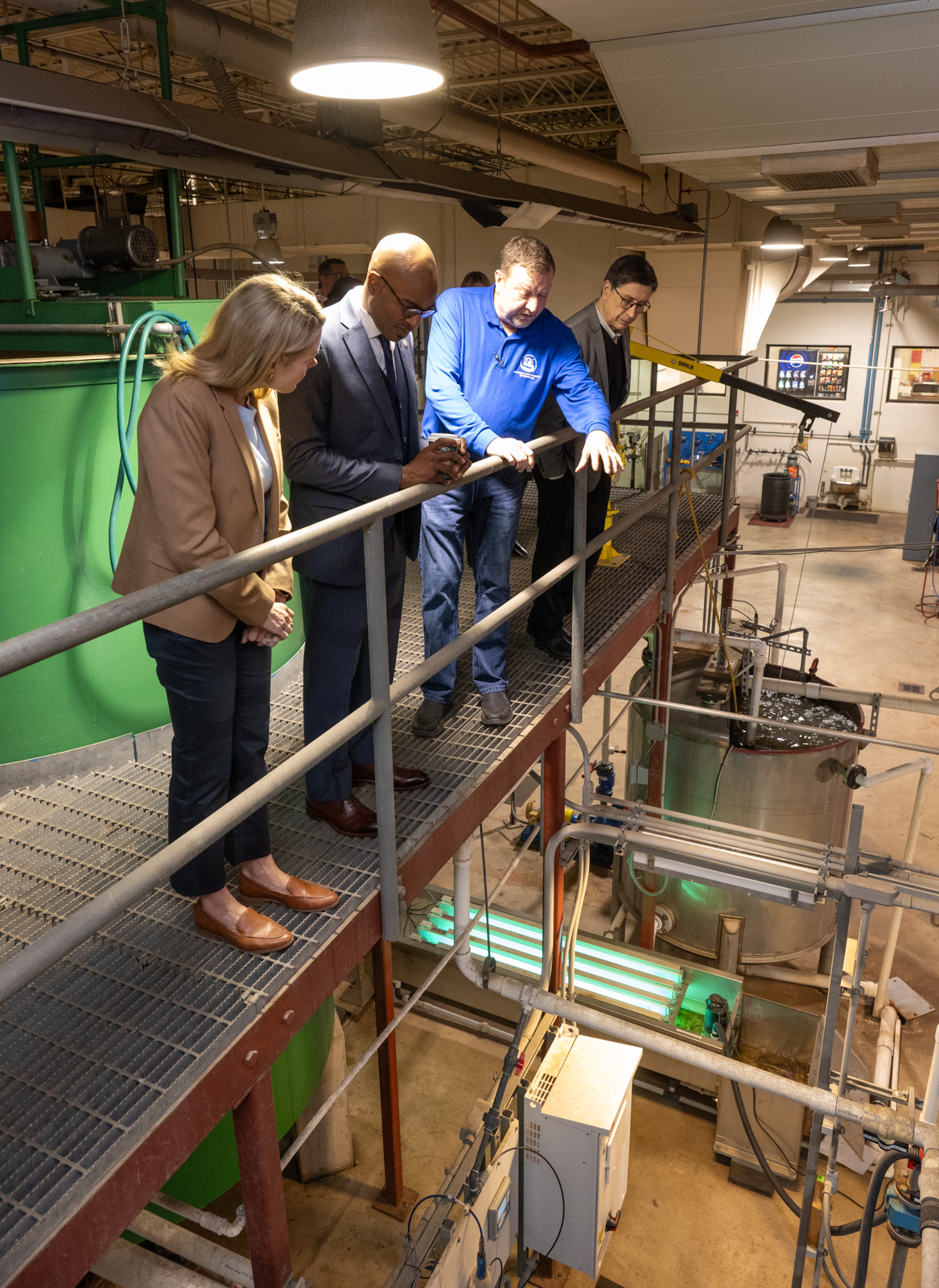 When water flows cleanly from a tap, it carries with it the expertise of professionals trained for a job most people never see but upon which everyone depends. Illinois policymakers had the opportunity to see that infrastructure in action while touring Southern Illinois University Edwardsville’s Environmental Resources Training Center (ERTC).
ERTC welcomed Illinois State Representative Katie Stuart on Feb. 20 and Illinois State Senator Erica Harriss on March 2 for visits highlighting the Center’s pivotal role in preparing Illinois’ next generation of water and wastewater professionals.
Designated by the State of Illinois as the center responsible for developing, coordinating and delivering training for potable water supply and wastewater treatment facility operators, ERTC serves communities across the state as a cornerstone of workforce development in an industry essential to public health and environmental protection. Established following a 1975 grant program that encouraged states to create water training facilities, ERTC at SIUE was built in 1979 and has supported the field for nearly five decades. Today, the Center offers certification programs, continuing education and pre-service coursework, including the only Illinois cross-connection control training curriculum developed in alignment with Environmental Protection Agency.
During the tours, legislators observed plant operations where students train on fully functioning wastewater and water treatment systems.
“We have multiple wastewater and water units out in our pilot plant out there, and the students do the work,” said Ricky Lallish, director of ERTC. “We teach them how to bring the systems online, how to manipulate the systems — actually work the system just as if they were out in the real world.”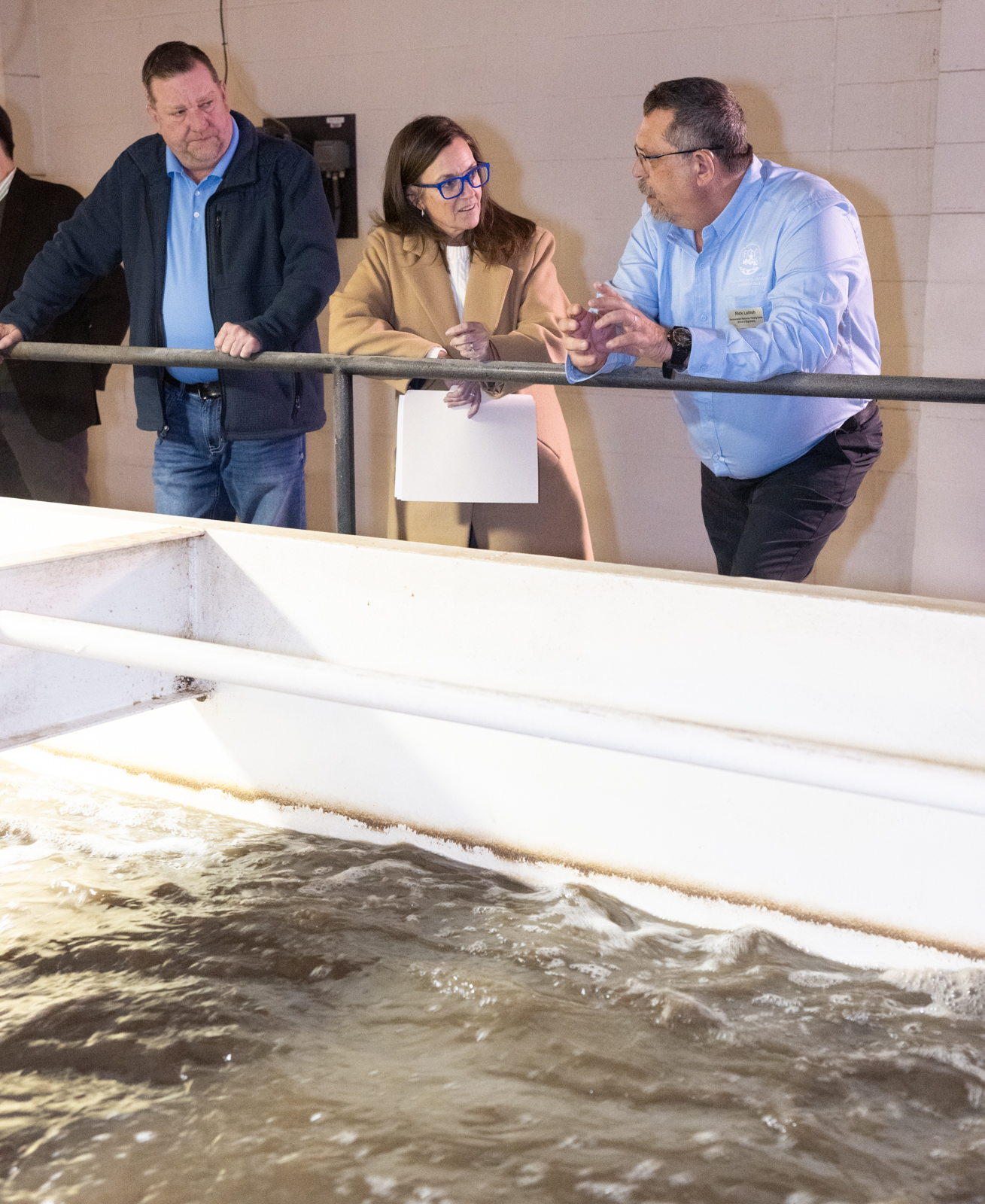
The visits also underscored a growing workforce challenge facing the water industry. Many operators who entered the field during the era of the Clean Water Act are now retiring, creating a significant talent gap.
“For every three qualified operators who are retiring, you only have one to replace them,” said Charles Fulford, water quality control specialist and a 2025 graduate of the program. “The work we do at ERTC will help replace a retiring workforce.”
Lallish emphasized the often unseen but critical nature of the profession’s impact.
“People turn the tap on in the morning, they expect water to come out that is safe to drink. And when they flush the toilet they want it to go away,” said Lallish. “It’s people like us working with water and wastewater that make that happen that they don’t know about.”
The visits provided legislators with an inside look at the systems, training and workforce preparation that support essential services communities rely on every day.
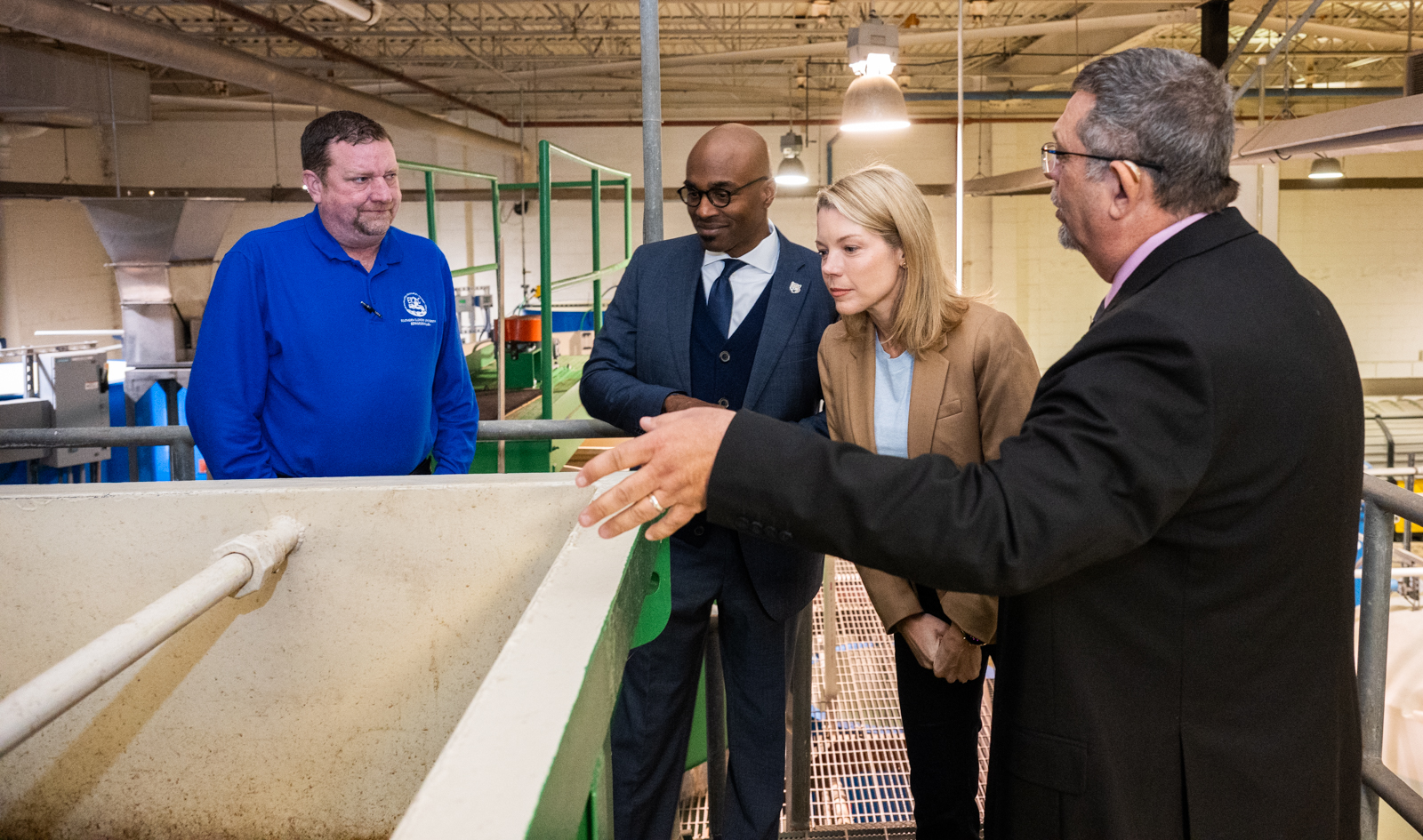 “I appreciated the opportunity to tour the Environmental Resources Training Center and learn more about the critical training they provide to future water and wastewater professionals,” said Harriss. “Seeing the program firsthand underscores the essential role ERTC plays in supporting infrastructure reliability and strengthening our regional workforce. Increasing awareness of programs like this is an important step in ensuring our communities remain prepared to meet ongoing environmental and public health needs.”
"Going to local businesses and facilities to have real, genuine conversations is one of the best ways to stay connected in our community, so I always love site visits like this one," said Stuart. "Clean water is not a privilege; it's a right. Everyone should have access to clean, safe water. I enjoyed touring the Environmental Resources Training Center to gain an even deeper understanding of how much our community benefits from invaluable services like this."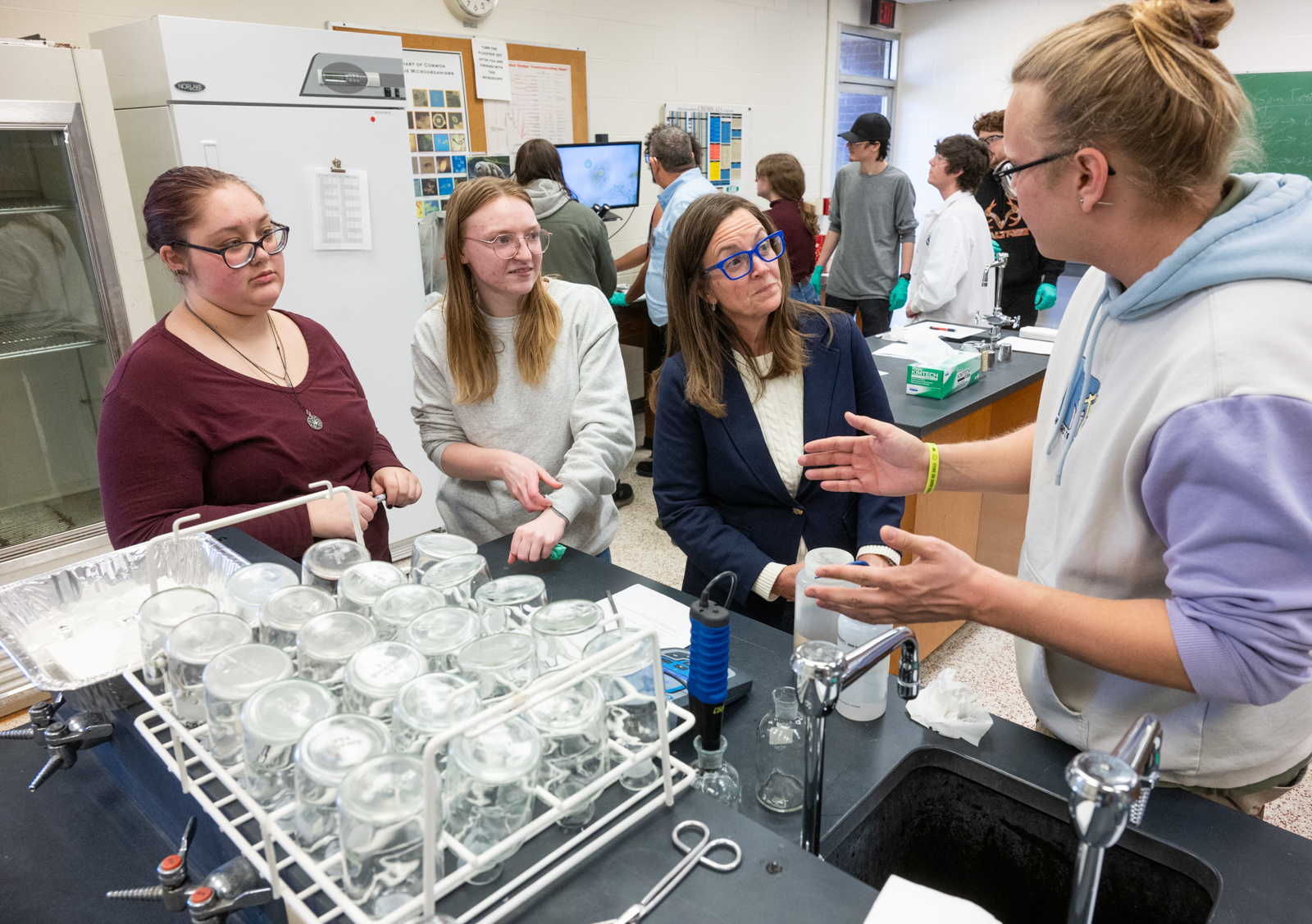
Together, the visits reinforced the importance of sustained collaboration between SIUE and state leadership in addressing workforce needs.
“These visits are more than a ceremonial stop,” said Cem Karacal, PhD, Dean of the School of Engineering. “They affirm that informed public policy on water begins with education, hands-on environmental leadership and workforce development right here at home.”
Photos: 1- State Senator. Erica Harriss, Chancellor James T. Minor, PhD, Charles Fulford, Dean Cem Karacal, PhD 2-Charles Fulford, State Rep. Katie Stuart, Director Ricky Lallish 3- Fulford, Chancellor Minor, Harriss, Lallish 4- School of Engineering ERTC students and Stuart Photos by Howard Ash.


