


Changemakers Pathways
The Changemakers Pathways give you a way to focus your general education around a theme that matters to you and to tackle it alongside students from across the university with different ideas, backgrounds, and perspectives. Together, you'll dig into real issues that don't have easy answers. Along the way, you'll find new ways to apply your major, and build skills that go far beyond a single discipline. The ability to work through hard problems with people who think differently than you do will matter for your career, your relationships, and your life in ways you might not expect.
If you’re unsure how to identify which pathway is the best fit for you, start with what you enjoy learning about and follow the pathway that connects to those interests.

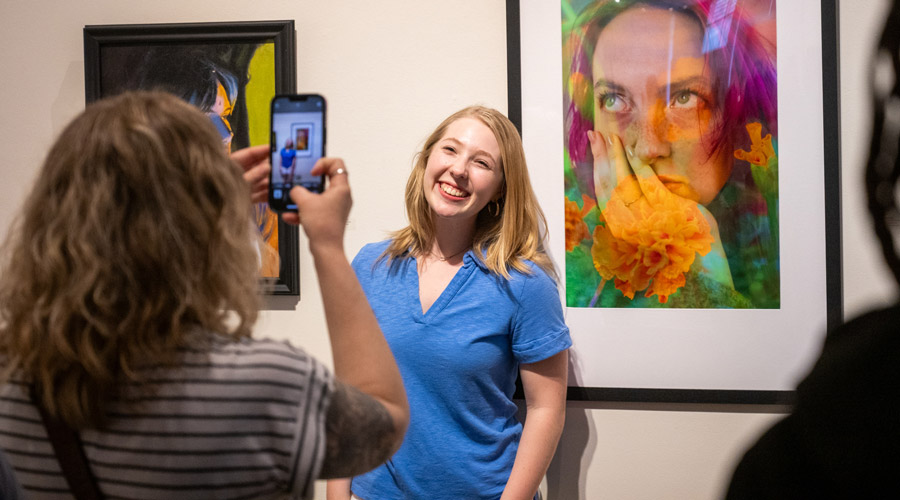
Creativity and Design for Change
- Explore how art, design, and imagination inspire ne w ways of thinking, and engage in creative work as both a form of expression and a meaningful process of curiosity, inquiry, and discovery.
- Identify pressing problems in our society and use creativity (through music, theater, visual art , creative writing, digital media, technological design, abstract problem-solving, and more) to express ideas, spark conversations, inspire action toward solutions, and shape our changing world.
- Work collaboratively to learn how the creative design process moves from inspiration to real-world impact , and/or toward uncovering ne w ideas and ways of approaching complex questions.
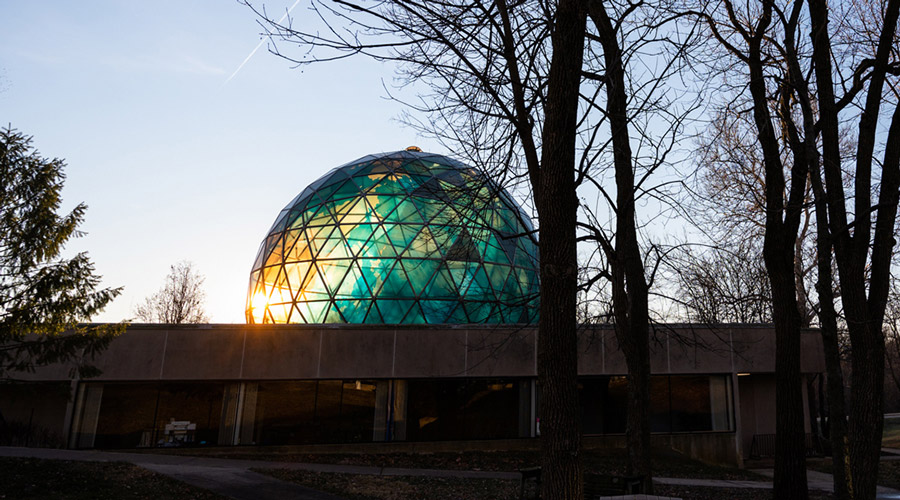
The Good Life
- Explore what components make a life good and how things like meaning, goals, values, happiness, priorities, well-being, and morality contribute to a good life. Also consider the ends we should value and pursue to have a good life (e.g., family, work , wealth, friendship).
- Engage with different visions, perspectives, and realities related to “the Good Life,” from a range of religious, spiritual, political, and cultural traditions, including perspectives from marginalized groups.
- Examine one's own perspective and consider how society can accommodate divergent visions and realities of “the Good Life.”
Healthy Communities
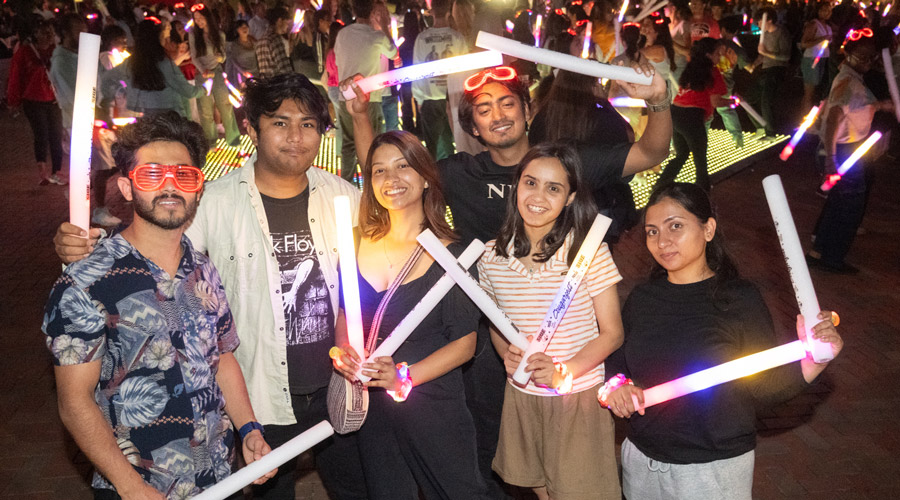
- Explore what makes a community healthy and how we can build and support healthy communities at all scales, from local to global.
- Engage with various issues, such as public health policy, availability of food and parks, community policing, and disaster response.
- Develop creative and impactful solutions to existing and emerging humanitarian problems based on innovative applications of economics, science, medicine, engineering, and social change at various scales.

Identity and Equity
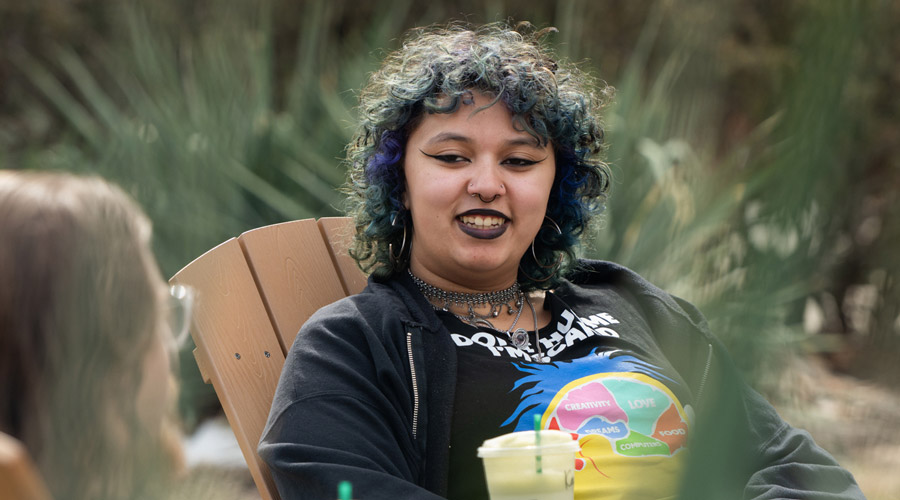
- Explore how individuals identify themselves and/or are identified by others as members of groups and how social forces have led to, and sustain, inequities between groups.
- Examined identities can include race, first and second languages, linguistic repertoires, ethnicity, gender, sexuality, religion, economic status, disability, political and social movements, and their intersections. Equity issues may include pay, legal status, social position and recognition, and economic standing.
- Develop strategies to remediate the effects of inequities based on innovative applications of social justice, intercultural communication, public policy, and law to create a more inclusive, fair, and equitable society.

Sustainability

- Explore issues about the future and how our actions today impact both the natural environment and cultural practices for future generations.
- Analyze a broad range of global issues (e.g., human consumption, waste, industrial processes, threats to cultural diversity), as well as their impacts and unintended consequences on the availability and access to food, water, energy, education, safe living conditions, and basic human cultural rights.
- Develop innovative solutions and work to change ineffective and/or damaging practices related to such topics as renewable energies, agricultural strategies, industry, business, supply chains, and efforts to preser ve, maintain, and revitalize significant cultural traditions.
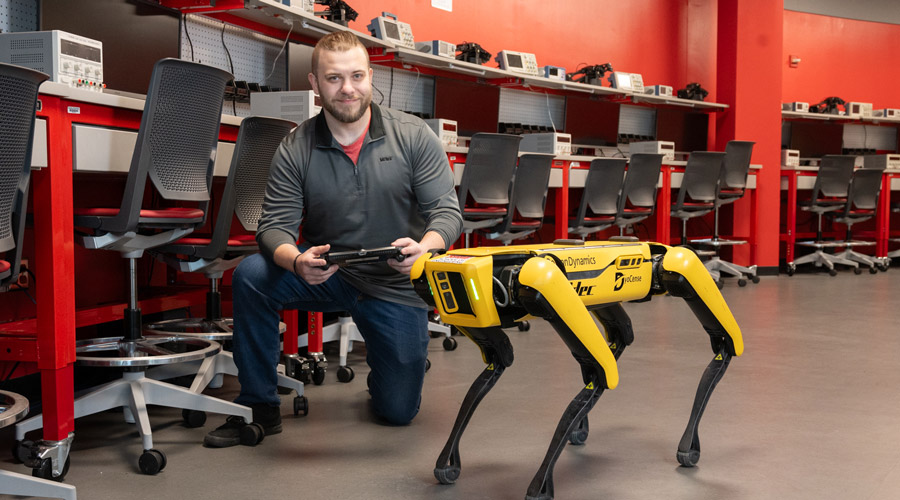
Technoethics
- Explore general and specific moral concerns about our relationship with and reliance upon technolog y (e.g., generative AI, automation, genetic modification, other everyday conveniences), as well as how it is designed, how it has impacted, and will continue to impact humans, cultures, and the environment.
- Engage critically with questions about data privac y, built in biases, and use of technolog y, particularly as ne w and emerging technologies raise novel moral challenges, while also de veloping professional discernment that helps identify appropriate tools and applications of various technologies.
- Develop critical thinking skills related to using technologies to seek , consume, and e valuate information.


