Webquest
– Realism
A new approach to writing took hold in European
and American Literature from 1820-1920. This period became known as Realism.
The greatest change in writing of this era was the approach to character and
subject matter. It was attention to detail, and an effort to replicate the true
nature of reality in a way that novelists had never attempted. There was the
belief that the novel’s function was simply to report what happened, without
comment or judgment. Seemingly inconsequential elements gained the attention of
the novel functioning in the realist mode.
The realist novel was heavily informed by
journalistic techniques, such as objectivity and fidelity to the facts of the
matter. Realism turned the attention to subjects that would not have gained
notice in previous literary eras. Typical subject matter of Realism was the
balancing act the upwardly mobile middle class had to perform in order to
maintain their position in society. The greatest concept of Realism was that
people were neither completely good, nor completely bad. Instead, people
possess a complex spectrum of behaviors.
Realism came under attack largely because it
represented such a bold departure from what readers had come to expect from the
novel. The fascination with things falling apart was unpleasant to many, and
critics sometimes accused writers of this era of focusing only on the negative
aspects of life. Additionally, the intense focus on the minutiae of character
was seen as unwillingness to actually tell a story. Readers complained that
very little happened in realistic fiction, that they were all talk and little
payoff.
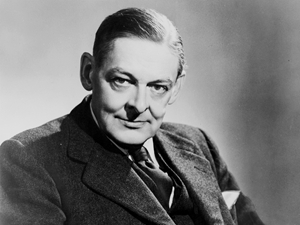
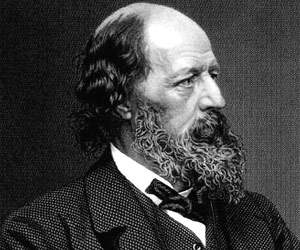
Here are some well-known poets from the Realism
era: