
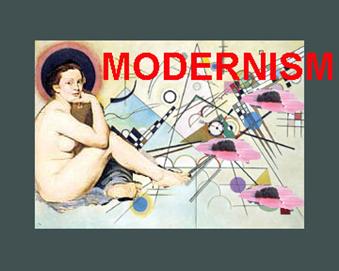
Modernism,
also known as modern or modernist,refers to the era in
the late 19 century and spanning into the early 20th century. It refers to the
modernist movement in the arts and the cultural movement spanning
from the change to the Western Society. It is characterized by the intentional break
in the traditional styles of poetry and verse. Modernists experimented with
form and expression, following the modernist theme to “make it new”. The modernist movement was fueled by the
desire to transform the traditional way of presenting and expressing the new
awareness of their time.
Important modernist elements are: juxtaposition, irony,
comparisons, and satire. Modernist authors use impressionism and other devices
to emphasize the subjectivity of reality, and they view omniscient narration
and fixed narration as giving a false sense of objectivity.
Important
Modernism Terms
Juxtaposition-
an act or instance of placing close together or side by side, especially for
comparison or contrast.
Irony- the use of words to convey a meaning that is the opposite of
its literal meaning
Satire- the use of irony, sarcasm,
ridicule, or the like, in exposing, denouncing, or deriding vice, folly, etc.
Impressionism- A literary style
characterized by the use of details and mental associations to evoke subjective
and sensory impressions rather than the re-creation of objective reality.