ENG111.003 -- Introduction to Literature: Beholding Violence in Drama and Film
Prof. Eileen Joy
Summer 2008
MID-TERM EXAM
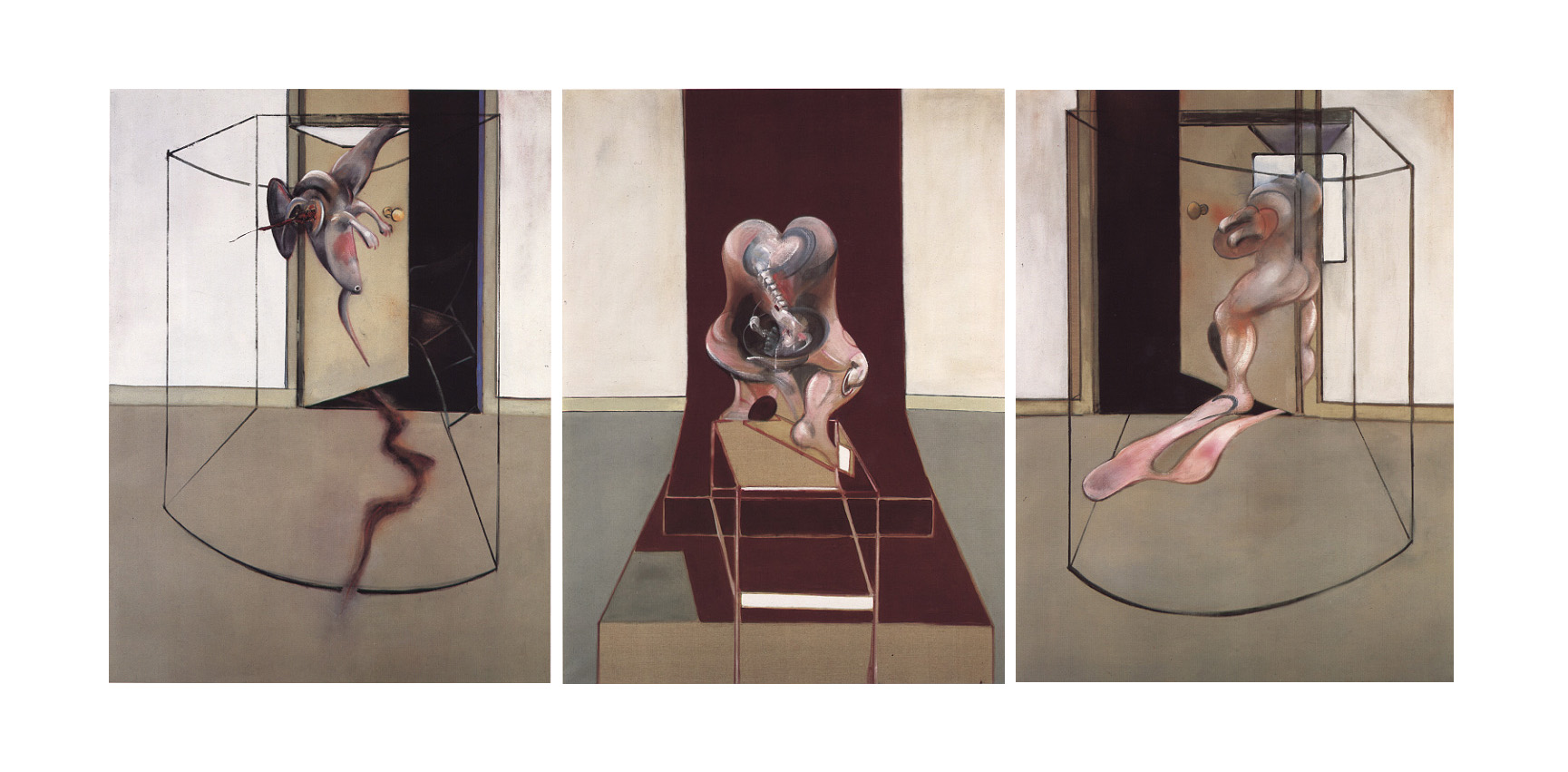
Figure 1. Francis Bacon, triptych inspired by the Oresteia (1981)
PART 1: Short Answers (5 points each)
*please answer the following questions with a minimum of four to five sentences [i.e., one full paragraph]; you may consult links on the online syllabus as well as Prof. Joy's thinking/discussion prompts under Course Content on Blackboard when drafting your answers; finally, when appropriate, be sure to bring in specific examples from the plays and films we have watched to help illustrate your answers
1. According to Joe Sachs's notes on Aristotle's Poetics, what makes a work of art [a play, in particular] a "tragedy"?
2. What is the right kind of fear, as opposed to the wrong kind of fear, in a good tragedy, according to Aristotle?
3. Why is ancient Greek tragedy associated with the god Dionysus?
4. What do we know about the structure of the early Greek theater?
5. Why is knowing something about the back-story [the mythological background] to Euripides's play Medea important for judging the actions of the main characters?
6. What does Ian Johnston tell us about Aeschylus's treatment of justice and revenge in Agamemnon? [How, in other words, according to Johnston, is Aeschuylus presenting his views of justice and revenge in ancient Greek society vis-a-vis the characters and action in his play?]
7. What does W.J.T. Mitchell mean when he writes that we have a "double consciousness" toward pictures and images?
8. How, according to Terence Hawkes, did tragedy help Renaissance theater-goers deal with the specter of death?
9. What were the "liberties" of Shakespeare's London and what was their significance in relation to the theater of Shakespeare's day?
10. Describe one major difference between Shakespeare's play Titus Andronicus and Julie Taymor's film Titus, and why that difference is significant [in your opinion] in relation to our understanding of the story.
PART II: Short Essay (50 points)
*please respond to the following prompt with at least 4-5 paragraphs [minimum: 2 typed, double-spaced pages], and be SURE to include close analysis of scenes and dialogue as support for your arguments
1. Following the thinking of the Renaissance writer Sir Philip Sidney, Terence Hawkes argues that tragedy, as an art form, is similar to a medical dissection, in that it strips way the outer layers of "polite" life to show the "ulcers" [i.e., moral corruption] underneath. It shows the moral sickness, in other words, that is supposedly always inside of each one of us. With reference to one or more of the plays we have read thus far (Agamemnon, Medea, and/or Titus Andronicus), would you agree with this argument, and why or why not?
Your exam answers and essay should be saved as .doc [Microsoft Word] or .rtf [Rich Text Format] files and sent to ejoy@siue.edu as an email attachment by Monday, July 14th at midnight.