ENG111 -- Introduction to Literature: Beholding Violence in Epic, Drama, and Film
Prof. Eileen Joy
Fall 2008
MID-TERM EXAM
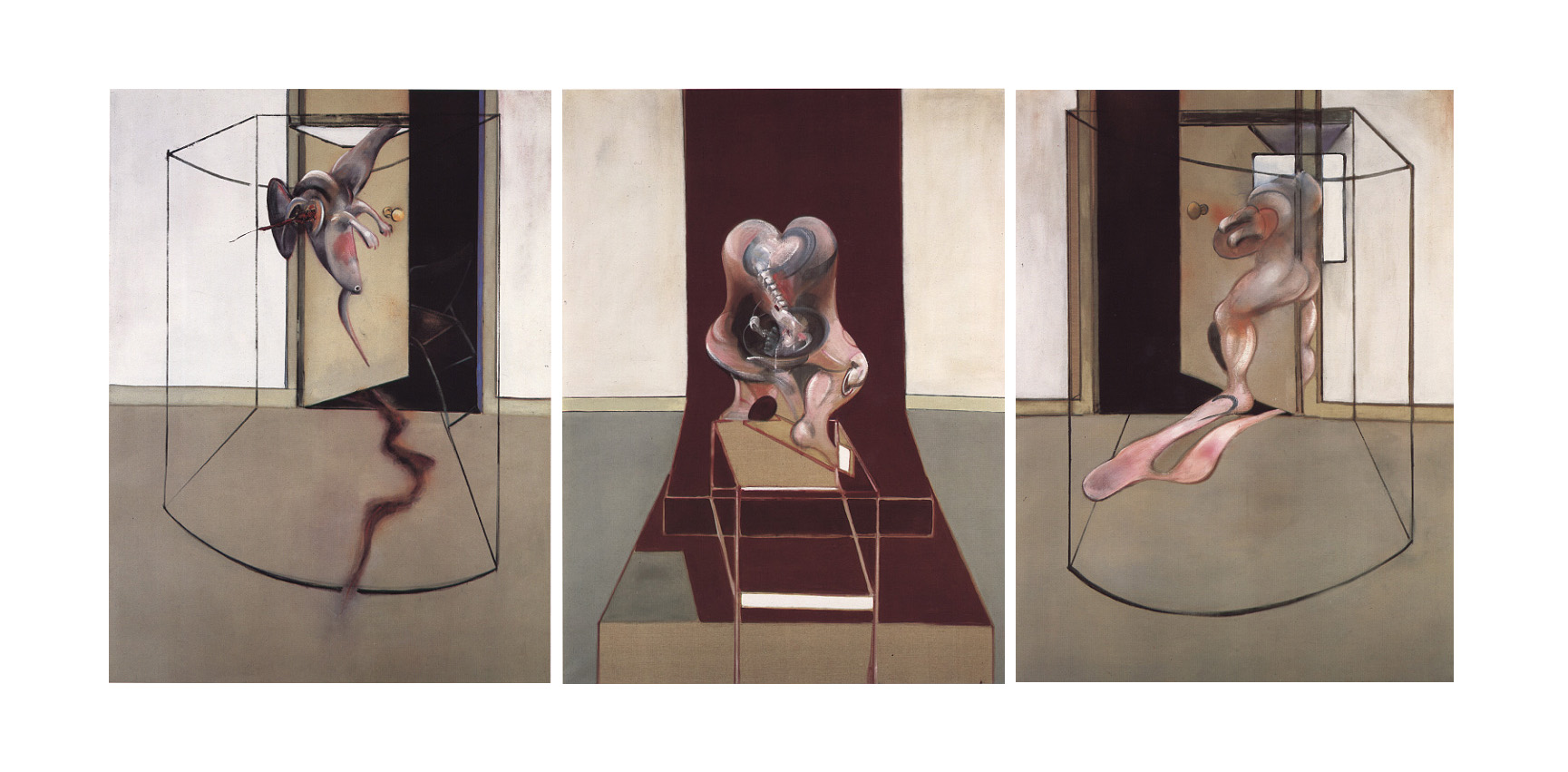
Figure 1. Francis Bacon, triptych inspired by Aeschylus's Oresteia (1981)
PART 1: Short Responses (10 points each)
*please respond to the following prompts with a minimum of 2-3 full paragraphs; you may consult links on the online syllabus [and also quote from material there, if you see fit] when drafting your answers; also, and most importantly, be sure to bring in specific examples and details from the literature [and film] we have covered thus far to help illustrate your answers [and I expect, therefore, to see some close analysis of specific passages from the literature covered in your responses in relation to whatever points you want to make]. These questions are mainly interpretive in nature, and there are no absolutely "right" or "wrong" answers; what I want to see are thoughtful responses grounded in a close attention to the language of the texts themselves.
1. According to Joe Sachs's notes on Aristotle's Poetics, "Tragedy seems always to involve testing or finding the limits of what is human. This is no mere orgy of strong feeling, but a highly focused way of bringing our powers to bear on the image of what is human as such." Using one of the works of literature we have read thus far [the Iliad, Agamemnon, or Medea], explore how a tragedy might demonstrate to us both the limits of what is human as well as the "image of what is human as such."
2. With reference to at least one of the works of literature we have read thus far [the Iliad, Agamemnon, and/or Medea]and also to any other works of literature and/or contemporary films with which you are familiar, explore the "right" versus the "wrong" types of fear that Joe Sachs describes in his notes on Aristotle's Poetics.
3. According to Ian Johnston, in his "Preliminary Observations on Classical Greek Literature," the gods in Greek literature are very human-like in their behaviors, and therefore, "Divine motivation is thus linked directly to the constantly shifting and frequently irrational feelings within the human family, and the forces which rule the world are made instantly recognizable and emotionally intelligible because they have such a familiar form." Further, and most importantly, "this view of the cosmos enshrines conflict as the heart of divine and natural processes. And such conflicts are not, as in other religions, allegorized pictures of the forces of good fighting the forces of evil, but much more unpredictable and morally ambiguous stories, often without any clear 'lesson' for human beings, other than the repeated emphasis that the gods are powerful and inconsistent. Just as ambiguity is a central fact of human family life on earth (with blurred lines of authority, shifting allegiances, volatile emotions, and uncertain motives), so ambiguity is a central fact of life in heaven and thus of explanations for natural events." With reference to one or more of the works of literature we have read thus far [the Iliad, Agamemnon, and/or Medea], explore the connection between the role of the gods in Greek literature and ambiguity in the human life portrayed in this literature.
4. In one of his interviews, the film director Michael Haneke said of his movies, "I try to give back to violence that what it truly is: pain, injury to another." With reference to one or more of the works of literature we have read thus far [the Iliad, Agamemnon, or Medea], what do you think the function of violence was in these ancient works of literature? What might these ancient authors have been trying to tell their audience about violence?
5. In the ancient world, as Ian Johnston relates in his "Lecture on the Oresteia," revenge was justice, but some of the greatest works of this world's literature also seem to be calling into question this widely-held belief. With reference to one of the works we have read thus far [the Iliad, Agamemnon, or Medea], explore how that work critiques the revenge ethic. [You might also explore here how you, yourself, view the idea of revenge as justice.]
PART II: Short Essay (50 points)
*Please respond to the following prompt with at least 4-5 paragraphs [minimum: 2 typed, double-spaced pages], and be SURE to include close analysis of scenes and language of the texts as support for your arguments.
1. Terence Hawkes, a literary scholar, has argued that tragedy, as an art form, is similar to a medical dissection, in that it strips way the outer layers of "polite" life to show the "ulcers" [i.e., moral corruption] underneath. It shows the moral sickness, in other words, that is supposedly always inside of each one of us. With reference to one or more of the works we have read thus far [the Iliad, Agamemnon, and/or Medea], would you agree with this argument, and why or why not?
Your exam answers and essay should be submitted typed and double-spaced; due in class on Thursday, October 23rd.