ENG111.003 -- Introduction to Literature: Beholding Violence in Drama and Film
Prof. Eileen Joy
Spring 2012
DISCUSSION QUESTIONS #3 (Euripides, Medea)
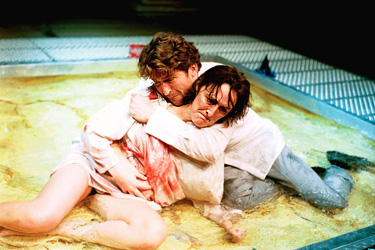
Figure 1. Jason and Medea (Fiona Shaw) in modern adaptation of Medea
Respond to TWO of the following prompts [be sure to read the back-story of Jason and Medea's relationship before pursuing any of these prompts]:
1. Look at the first exchange (and argument) between Jason and Medea. Jason tries to "reason" here with Medea and to explain to her the supposed common sense of what he has done and plans to do, and Medea explains to Jason why she believes he is wrong and has unfairly betrayed her. Both of them also comment on relationships between the sexes (and between husband and wife, or between lovers). Who would you argue has the most reason on their side in this argument, and why? [Do not just restate what Jason and Medea say, but spend some time really explaining why and how you think certain statements are compelling as arguments. You will also need to explain, in detail, how you define "reasonable" in this context.]
2. Is there any way we can understand why Medea goes about getting revenge against Jason the way that she does, and why or why not? Another way of putting this might be: Do you find Medea sympathetic, utterly abhorrent, or somewhere in between? [Be sure to isolate specific elements in the play that help to explain your reactions.]
3. Is Medea a monster, and not a "woman," as Jason implies (Jason actually calls her "a tiger; a Tuscan Scylla" and "a polluted fiend" in some translations)? Why, or why not? [If you choose this prompt, you will want to have some kind of working definition of what you think human/humane is, as opposed to monster/monstrous; also please do not go the obvious route of, "anyone who kills her own children is obviously a monster": think harder.]
4. Jason is a somewhat ambiguous character. How do you feel about him by the end of the play? Do you sympathize with him or do you think he gets what he deserves, and why or why not?
5. Medea's name means both "genitals" and "clever plans": how do you think her name captures some of the social and cultural anxieties that circulate throughout the play about women's power? [You might reflect on this question in relation to the character of Clytemnestra in Agamemnon as well; and yes, this is the challenging question.]
6. In her review of a modern novel adaptation of the story of Medea by the German author Christa Wolf, Margaret Atwood (a novelist herself) writes that the story of Medea is ultimately "a study of power, and of the operations of power, and of the behavior of human beings under pressure when power squeezes them tight." As to why this story endures over time and in many adaptations, Atwood also writes that the story "is no two-dimensional allegory. Like a tunnel full of mirrors, it both reflects and echoes. The question it asks the reader, through many voices and in many different ways, is: What would you be willing to believe, to accept, to conceal, to do, to save your own skin, or simply to stay close to power? Who would you be willing to sacrifice? Hard questions, but the posing of them is the troubling yet essential task." Comment in any way you see fit on these quotations from Atwood and your own thinking on the "troubling" operations of power in Euripedes's play. [Yes, this is also one of the challenging prompts.]
Please respond to the questions with full, complete sentences. You should write AT LEAST two typed, double-spaced pages (total) in response to the prompts you choose, and what matters most to me is that you respond to these prompts with thoughtfulness and care and show me that you have something of substance to say in relation to the plays, films, readings, and discussions we have had, and what that ultimately means is: MORE is always better than less (but one page per prompt is the minimum). The questions are always interpretive in nature, and therefore there are NO right or wrong answers, only your opinions and observations and ideas (all of which are hopefully grounded in paying very close attention to the small details of the plays, films, and other readings under discussion). You will want to refer to and/or quote directly specific passages, scene details, dialogue, gestures, etc. in order to support your observations and ideas.
Responses should be handed in to the professor in class on the date indicated on the website syllabus.