


Owning Tomorrow through Preparation: Emergency Management Awareness Month at SIUE
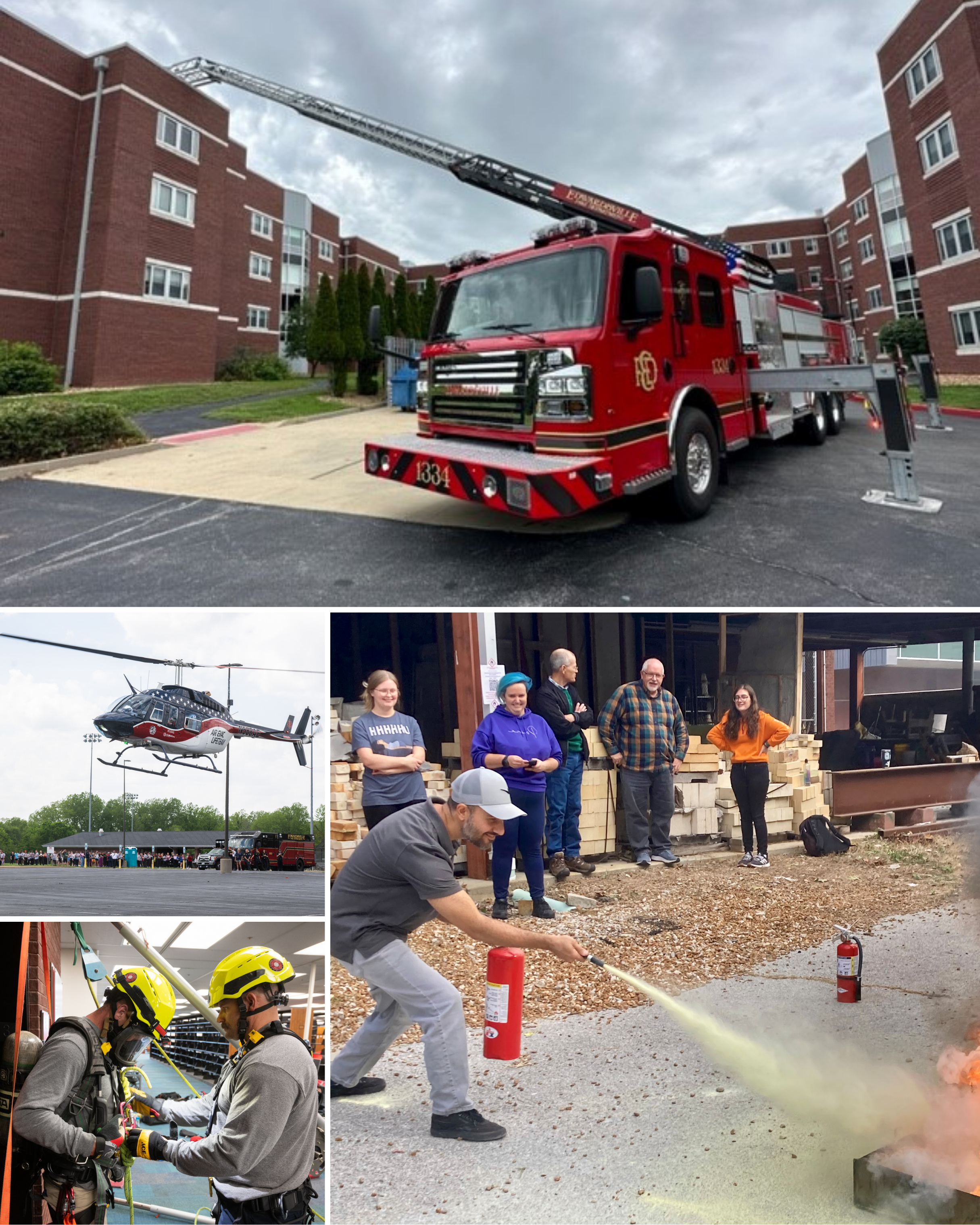 At Southern Illinois University Edwardsville, a safe campus is a shared effort. Emergency planning, campus professionals and local first responders work together to support the University community. August is Emergency Management Awareness Month. SIUE is highlighting the people, resources and everyday practices that contribute to a safe learning environment.
As part of this work, SIUE students and employees will complete a brief online training this fall designed to build basic awareness of potential hazards and reinforce campus safety practices.
“Emergency preparedness is a shared responsibility, and every member of the SIUE community has a role in helping keep our campuses safe and resilient,” said Bobby Elzie, CEM, director of the SIUE Office of Emergency Management. “Students, faculty and staff can support preparedness by staying informed, knowing how they will respond during an emergency, participating in training opportunities and taking simple steps to prepare themselves at home, at work and on campus.”
Preparedness involves both institutional planning and individual awareness. The Office of Emergency Management provides safety training, coordinates emergency drills and collaborates with Facilities Management and local first responders to support campus safety. Fire alarms, suppression systems, emergency equipment and other safeguards are also inspected, audited and tested throughout the year.
Through brief, practical guidance, the University’s campuswide training helps students and employees recognize safety concerns, follow established procedures and understand how they can contribute to safe learning and working environments.
“Small actions taken before an emergency can make a significant difference when it matters most,” said Elzie.
The Office of Emergency Management is encouraging members of the SIUE community to focus on 10 preparedness priorities to bring awareness to and beyond the month of August:
- Stay connected through SIUE emergency notifications.
- Learn about potential hazards.
- Become familiar with the places where you learn and work.
- Know when to evacuate, shelter in place or move to a more secure location.
- Use emergency drills as opportunities to practice.
- Prepare for severe weather.
- Report safety concerns promptly.
- Keep essential items accessible.
- Consider individual accessibility and medical needs when planning.
- Look out for others when it is safe to do so.
Many of these steps take only a few moments. Students and employees can confirm that their contact information is current, enroll in SIUE E-Lert and locate the exits, evacuation routes, severe-weather shelters, fire alarms, automated external defibrillators and emergency phones in the buildings they regularly use.
Clear communication and familiarity with campus procedures are important parts of a coordinated response. Training, drills and emergency notifications help students and employees understand what to expect and where to turn for reliable information when it is needed.
“Preparedness matters because emergencies can happen at any time,” said SIUE Chief of Police David Goodwin. “At SIUE, safety is a shared responsibility. Students, faculty and staff should stay aware, know basic emergency procedures, pay attention to SIUE E-lerts and speak up when something does not seem right. A few simple steps taken in advance can make a significant difference when an emergency occurs.”
Inclusive planning is another important part of preparedness. Campus procedures should account for access and communication needs related to disabilities, medical conditions, mobility or language.
The Office of Emergency Management encourages continued attentiveness from students and employees across SIUE’s four campuses. Through campuswide education, emergency planning and shared participation, SIUE continues to build a resilient community that truly owns tomorrow.
Learn more about SIUE’s emergency procedures and preparedness resources.
Photos by Howard Ash


