ENG111 -- Introduction to Literature: Beholding Violence in Drama and Film
Prof. Eileen Joy
Summer 2010
MID-TERM EXAM
**(due by Sunday, July 19th, by midnight via email attachment to: eileenajoy@gmail.com)
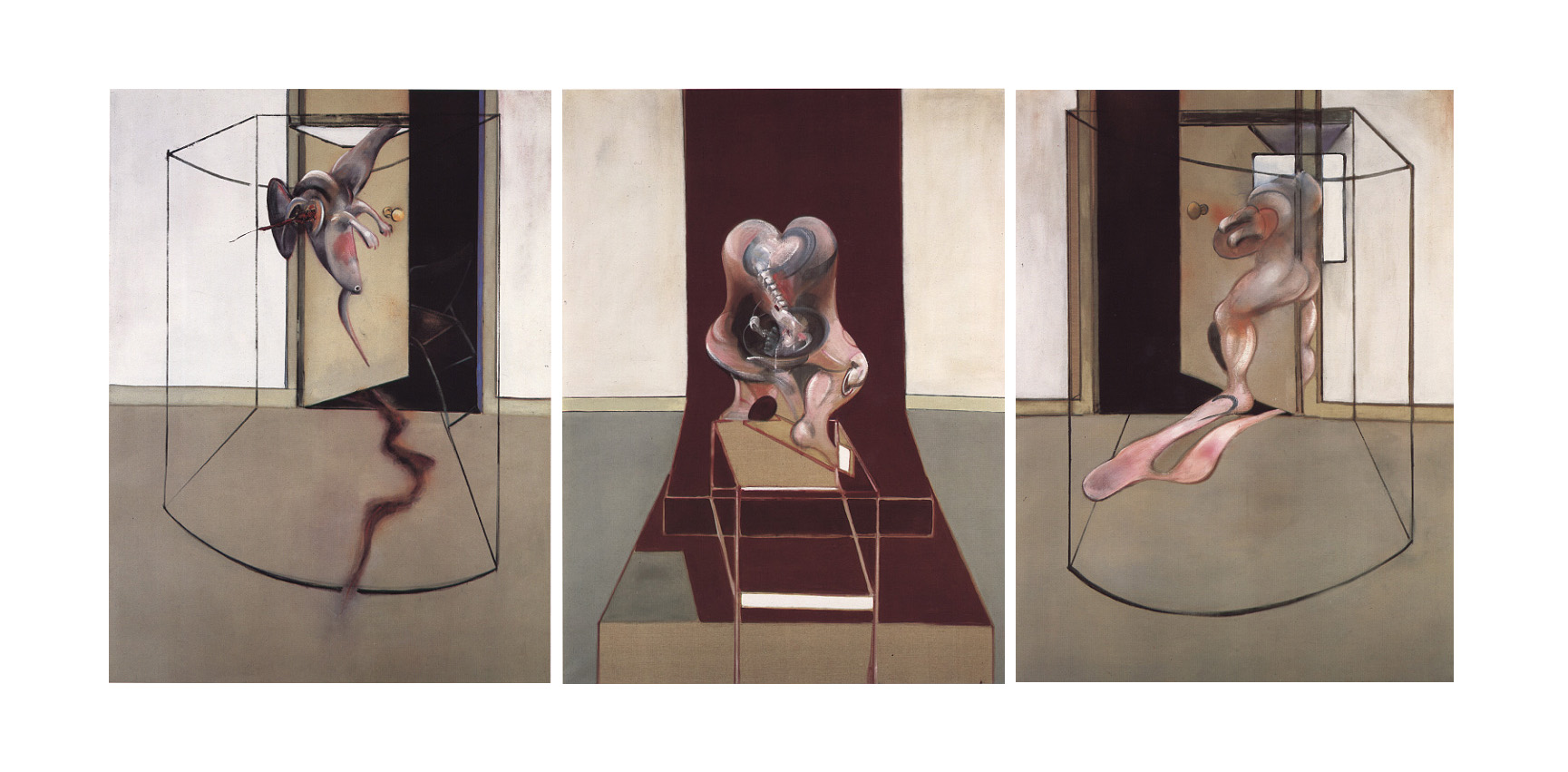
Figure 1. Francis Bacon, triptych inspired by Aeschylus's Oresteia (1981)
PART 1: Short Responses (10 points each)
*please respond to the following prompts with a minimum of 3 full paragraphs; you may consult links on the online syllabus [and also quote from material there, if you see fit] when drafting your answers; also, and most importantly, be sure to bring in specific examples and details from the literature [and film] we have covered thus far [Funny Games, Agamemnon, Medea, Quentin Tarantino's Inglourious Basterds, Shakespeare's Titus Andronicus, and Julie Taymor's Titus] to help illustrate your answers [I expect, therefore, to see close analysis of specific passages--dialogue and specific scenes--in your responses in relation to whatever main observations and points you want to make]. These questions are mainly interpretive in nature, and there are no absolutely "right" or "wrong" answers; what I want to see are thoughtful responses grounded in a close attention to the language and specific scenes of the texts and films themselves.
1. According to Joe Sachs's notes on Aristotle's Poetics, "Tragedy seems always to involve testing or finding the limits of what is human. This is no mere orgy of strong feeling, but a highly focused way of bringing our powers to bear on the image of what is human as such." Using ONE of the works of literature we have read thus far [Agamemnon, Medea, or Titus Andronicus], explore how a tragedy might demonstrate to us the "limits of what is human." [In contemplating your possible response here, be very careful to explain how you define what is "human," since what Sachs is mainly saying here is that tragedy reveals our most "human" flaws.]
2. With reference to at least ONE of the works of literature we have read thus far [Agamemnon, Medea, or Titus Andronicus] and also to any other works of literature and/or contemporary films with which you are familiar [this could include Funny Games, Inglourious Basterds, and Taymor's Titus, but can also include any other books and films you know well], explore the "right" versus the "wrong" types of fear that Joe Sachs describes in his notes on Aristotle's Poetics.
3. In one of his interviews, the film director Michael Haneke said of his movies, "I try to give back to violence that what it truly is: pain, injury to another." With reference to ONE OR MORE of the works of literature we have read thus far [Agamemnon, Medea, or Titus Andronicus], what do you think the function of violence was in these ancient works of literature? What might these ancient authors have been trying to tell their audience about violence?
4. In the ancient world, as Ian Johnston relates in his "Lecture on the Oresteia," revenge was justice, but some of the greatest works of this world's literature also seem to be calling into question this widely-held belief. With reference to ONE of the literary works we have read thus far [Agamemnon, Medea, or Titus Andronicus], explore how that work critiques the revenge ethic. [You might also explore here how you, yourself, view the idea of revenge as justice, bring very careful to also explain your definition of "justice."]
5. With reference to at least TWO of the films we have viewed thus far [Funny Games, Inglourious Basterds, and Titus], explore the role of the audience in relation to the violence portrayed in these films. What are the ways in which these films might be critiquing the role of the spectator in relation to the violence inflicted on others? Do you think the depiction of violence in movies can ever have a positive, or even a moral, purpose?
PART II: Short Essay (50 points)
*Please respond to the following prompt with at least 5 paragraphs [minimum: 2 typed, double-spaced pages], and be SURE to include close analysis of scenes and language of the texts as support for your arguments.
1. Of his films, Michael Haneke has said that they are "an appeal for a cinema of insistent questions instead of false (because too quick) answers . . . for provocation and dialogue instead of consumption and consensus." With reference to ONE of the literary works we have read thus far [Agamemnon, Medea, or Titus Andronicus], how do you see this play's violence and themes of revenge as provoking important questions which it does not easily answer [or maybe doesn't even answer at all]? Another way of putting this might be: how does the play explore violence and revenge in ways that are complex and not simplistic? Further, how is the play not just easy entertainment, but actually about getting us to think about our lives and the world in which we live?
Your exam answers and essay should be submitted as one document typed and double-spaced in Microsoft Word; due via email to eileenajoy@gmail.com by Sunday, July 19th, by midnight.